
How to Use the 2026 Codex App on Your First Coding Task
A practical guide to using OpenAI’s Codex app for a small software task, from opening a project and writing a useful prompt to reviewing changes, running tests, and controlling permissions.
A practical guide to using OpenAI’s Codex app for a small software task, from opening a project and writing a useful prompt to reviewing changes, running tests, and controlling permissions.

AI systems are increasingly writing code, running calculations, and consulting physics engines before answering. These external checks can reduce arithmetic and reasoning errors, but only when the model builds a sound test with reliable ass...

A repeatable evaluation pipeline helps teams measure AI quality, safety, and reliability before release, then detect failures after deployment. This guide covers datasets, human review, release gates, and monitoring.

A practical guide to building and testing a small Model Context Protocol server with the current Python SDK, including tools, resources, prompts, and safe local testing.
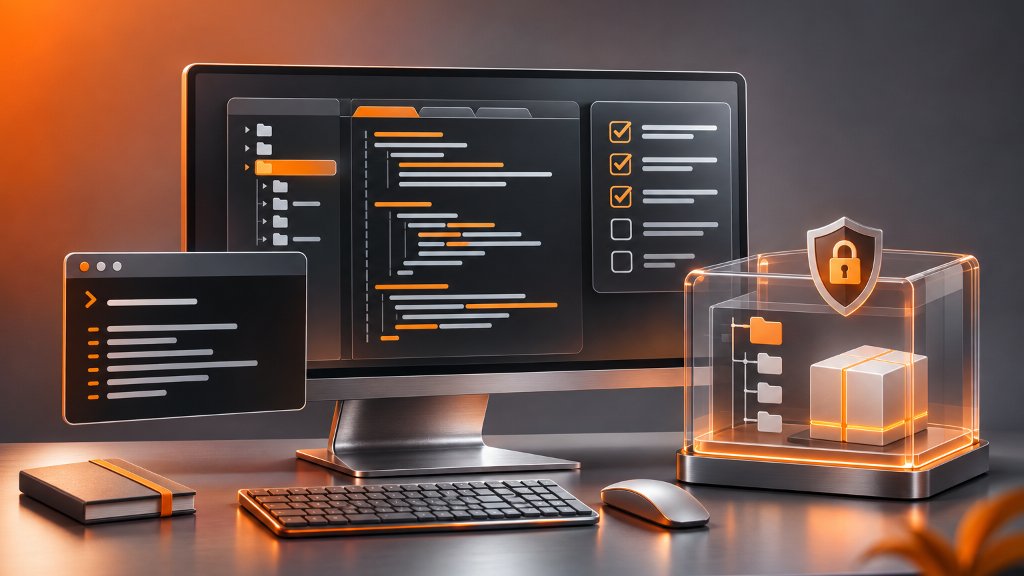
A practical guide to using OpenAI Codex CLI to inspect a software project, run a controlled code review, understand its findings, and approve changes without handing over full control.
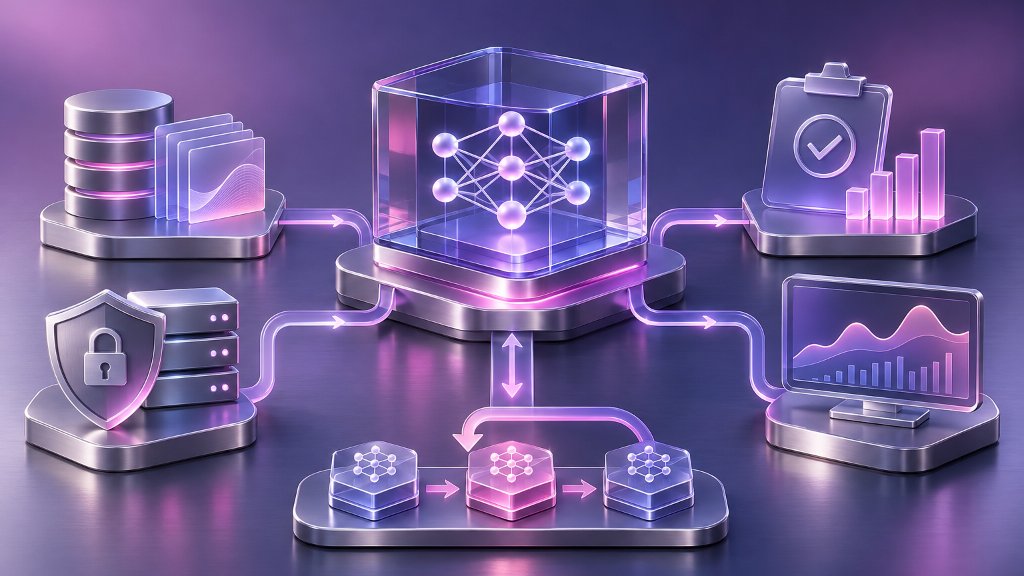
A practical operating model for AI teams: define risk and quality targets, test before release, monitor behavior and cost, control access, and make every change reversible.

Set up a local AI assistant on Windows with Ollama, choose a model that fits your hardware, and connect it to apps through a local API.

A practical guide to replacing informal AI-agent testing with repeatable evaluations that check outcomes, tool use, safety, and performance in real workflows.

AI agents can now browse websites, work across files and apps, and complete multi-step tasks. A practical framework helps people gain that time savings without handing over more access than the task requires.
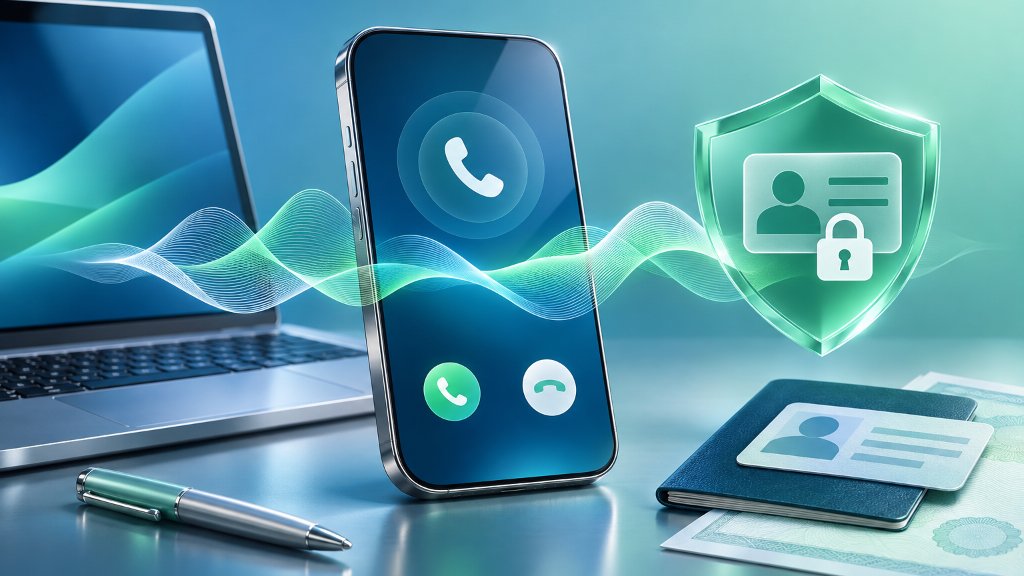
AI voice cloning makes familiar voices unreliable in urgent calls. Learn how to verify callers, protect account details, limit exposed recordings, and report impersonation attempts before money or identity information is lost.